
New
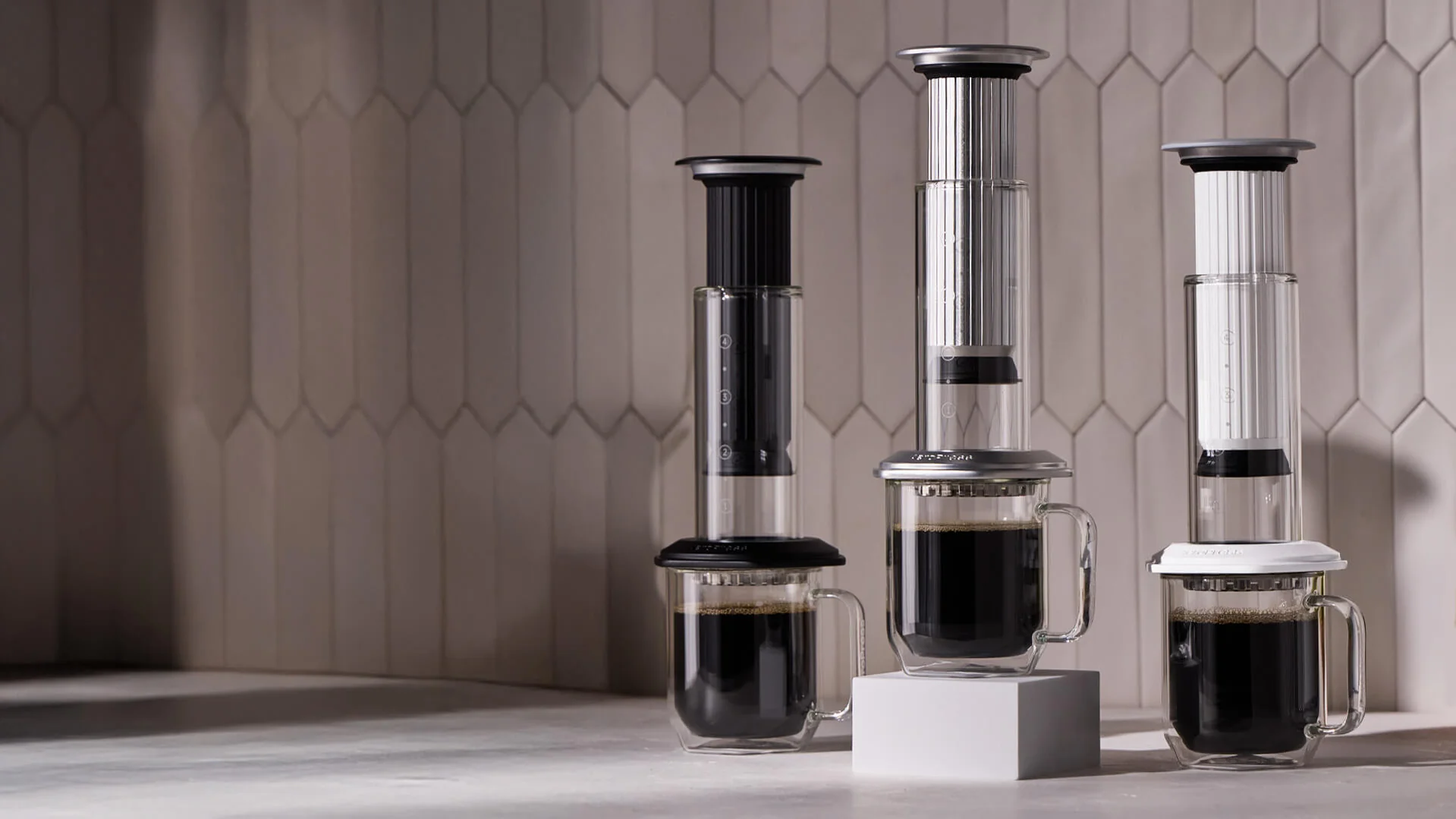
Premium Black & White
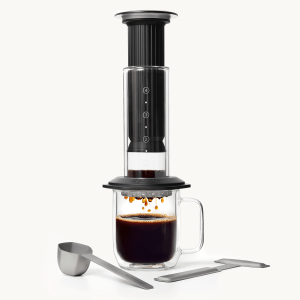
Our iconic 3 in 1 brewer handcrafted in double wall borosilicate glass and metal
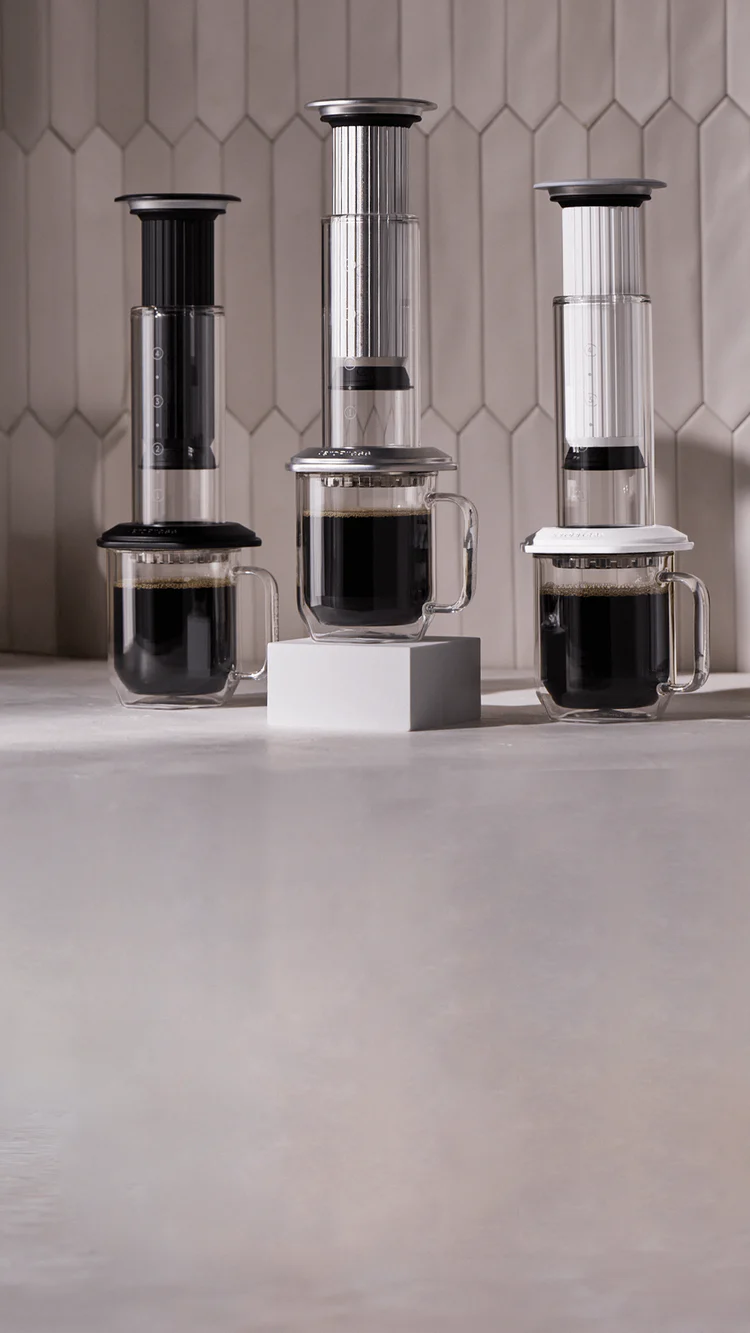

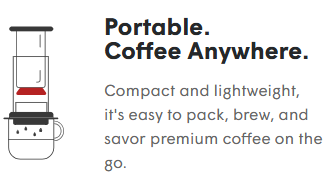
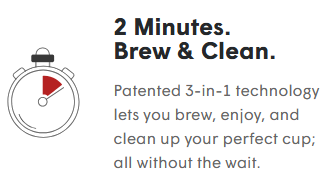
Brew Faster. Taste Better.
Sale!
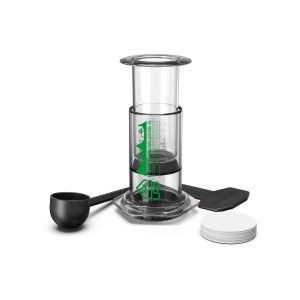
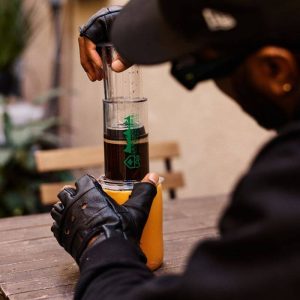
Original price was: $69.95.$14.99Current price is: $14.99.
Sale!
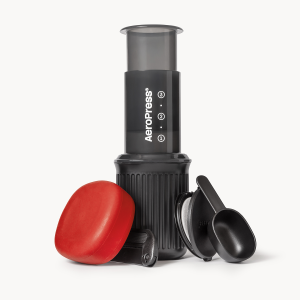
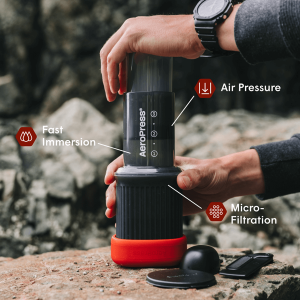
Coffee Makers
Original price was: $49.95.$14.99Current price is: $14.99.
Sale!
Coffee Makers
Original price was: $79.95.$23.99Current price is: $23.99.
Sale!
Coffee Makers
Original price was: $89.95.$26.99Current price is: $26.99.
Sale!
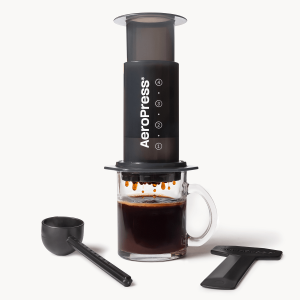
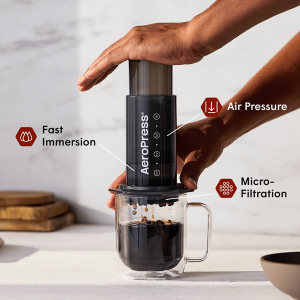
Coffee Makers
Original price was: $39.95.$11.99Current price is: $11.99.
Sale!
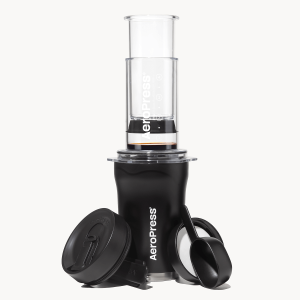
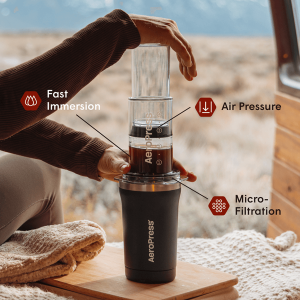
Coffee Makers
Original price was: $89.95.$26.99Current price is: $26.99.
Sale!
Coffee Makers
Original price was: $199.95.$59.99Current price is: $59.99.
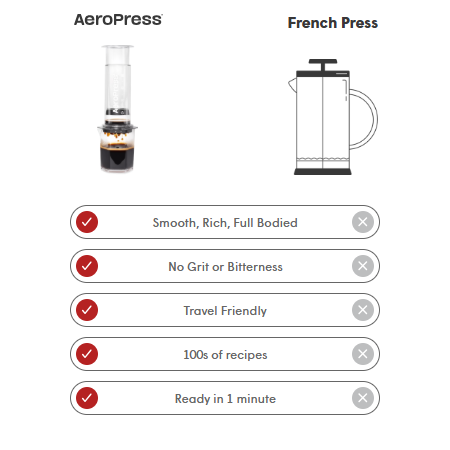
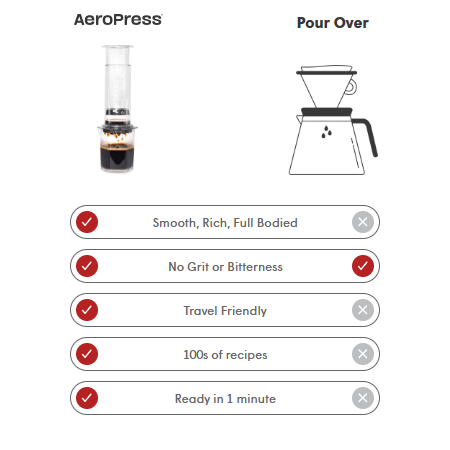
How Do We Stack Up?
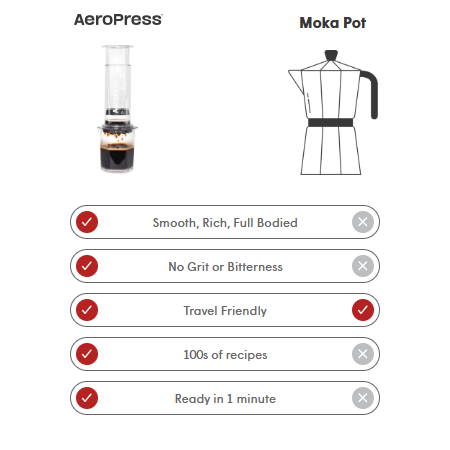
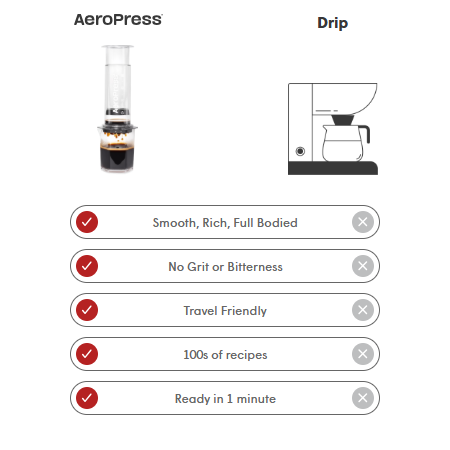
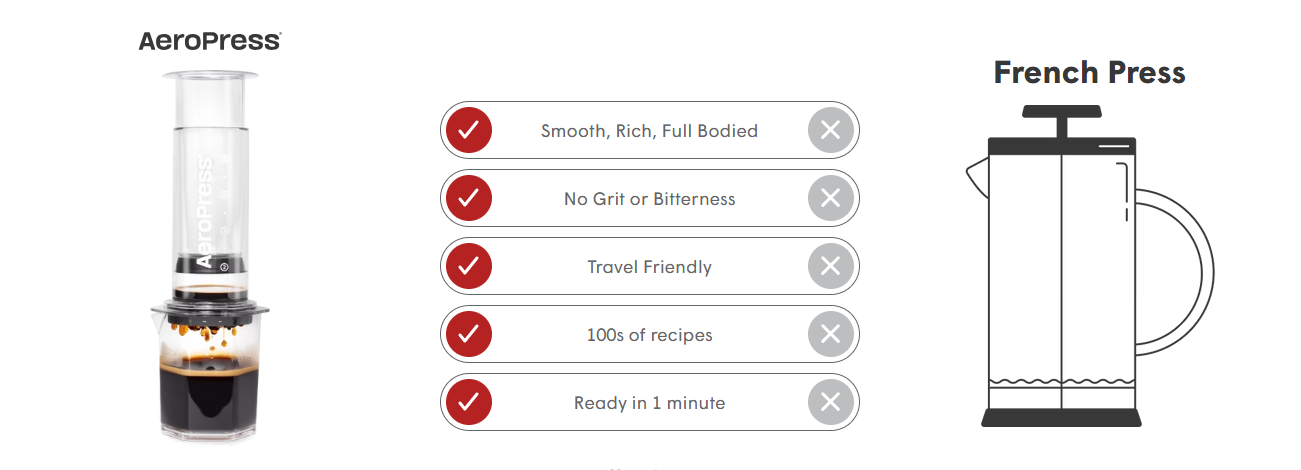
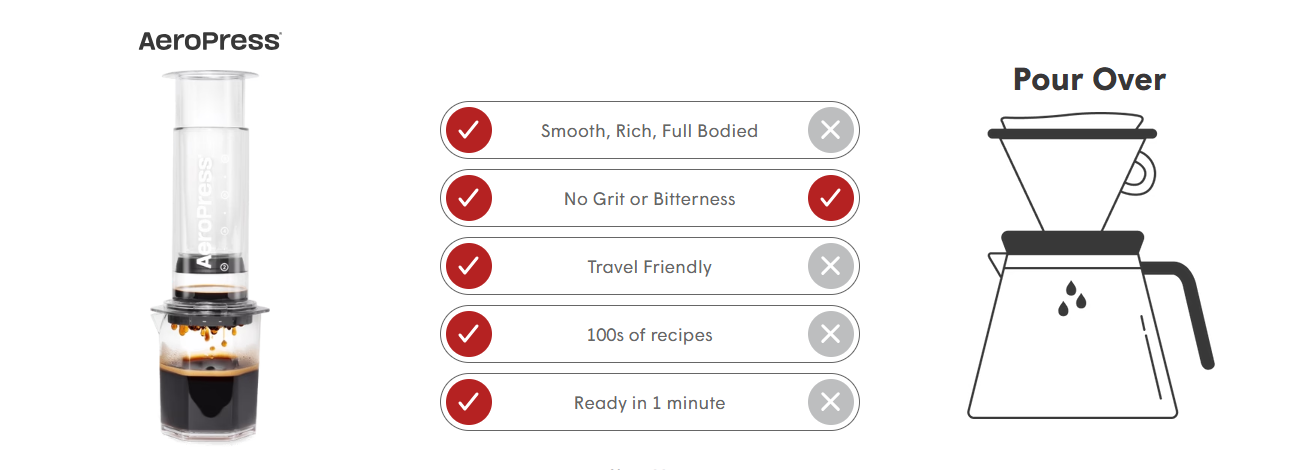
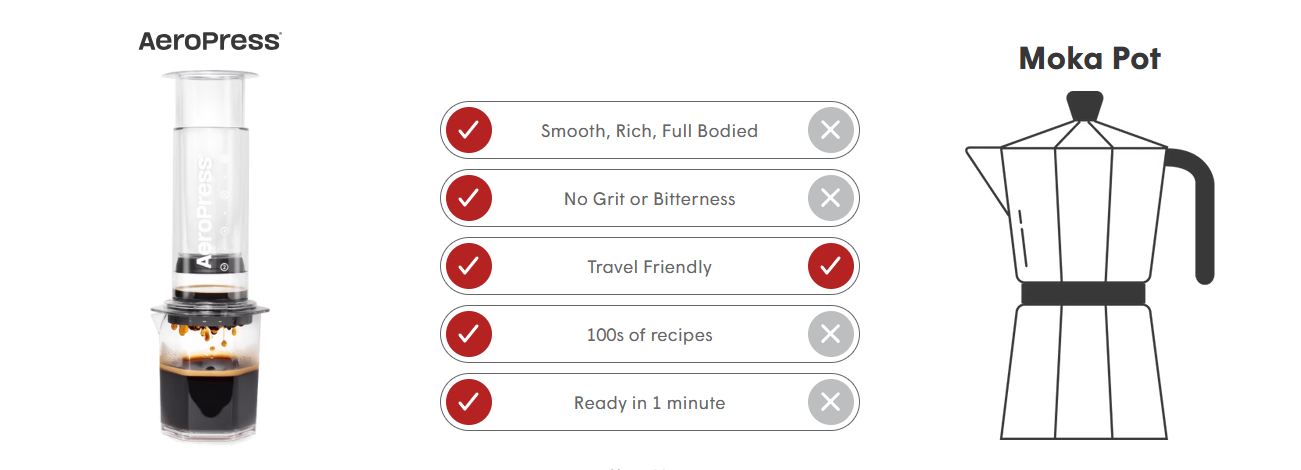
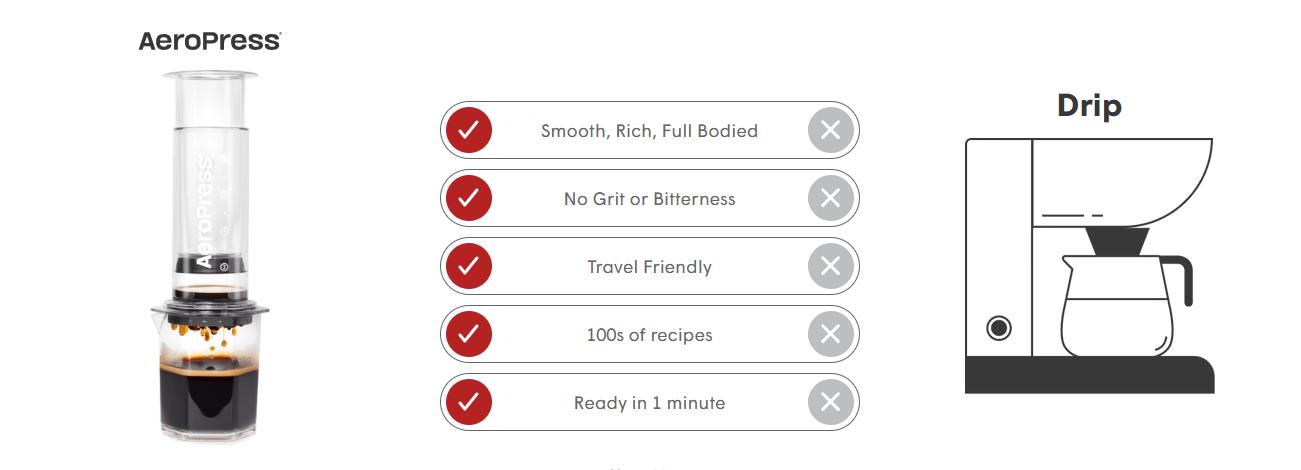
Press for Better Coffee

Complete Your Routine
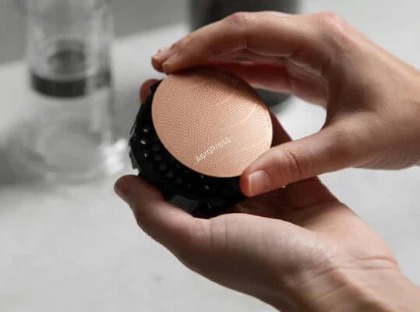
Accessories
All the AeroPress accessories you need to help you find your inner barista.
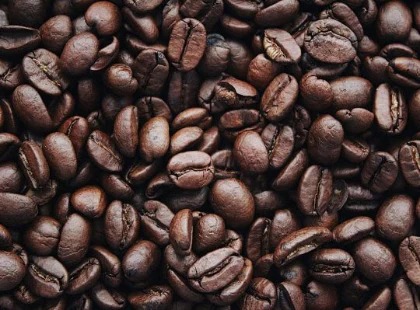
Coffee
Explore 200+ coffee roasts custom ground to medium-fine for AeroPress.
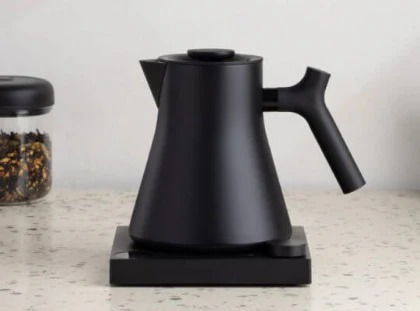
Kettles & Grinders
Our favorite coffee gear that pairs perfectly with your AeroPress coffee maker.


The AeroPress Kitchen
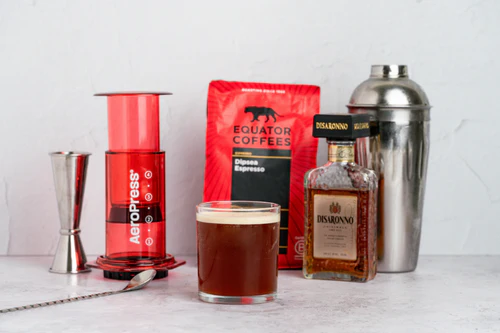
AeroPress Tropical Coffee Amaretto Sour
Coffee • Gin • Yuzu Juice
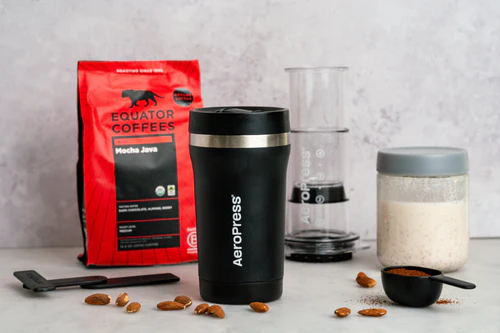
Homemade Almond Milk Cold Brew with AeroPress Go Plus
Coffee • Almond Milk • Ice
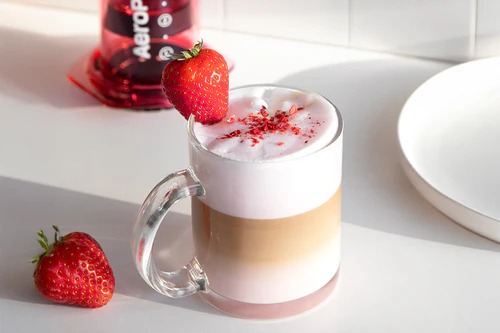
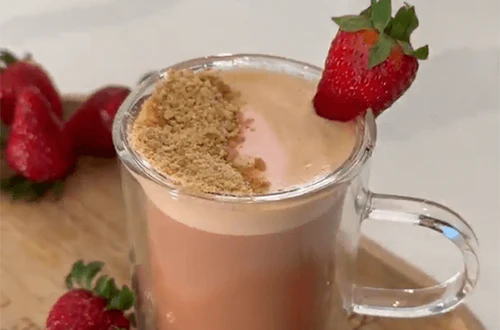
AeroPress Strawberry Latte
Coffee • Strawberry • Milk
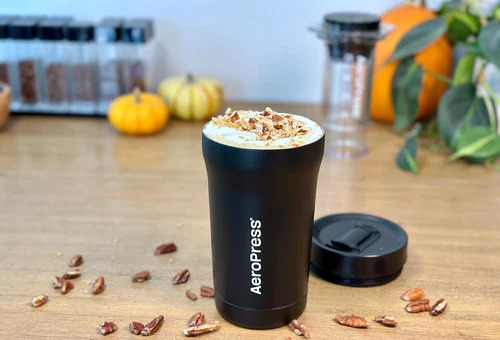
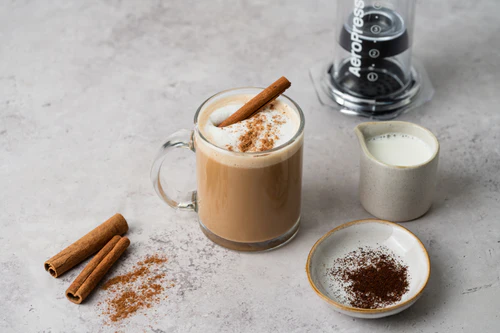
Maple Pecan AeroPress Latte
Coffee • Pecan • Milk
Baratza Vario W+ with AeroPress
Coffee • Water
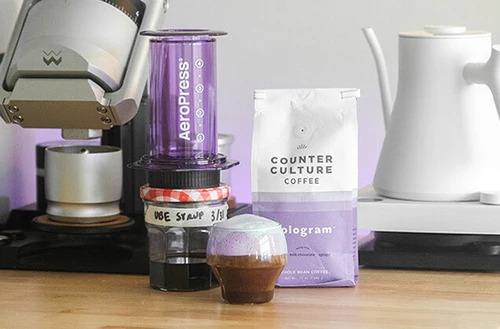
Ube Einspänner AeroPress Latte
Coffee • Ube Extract • Cream
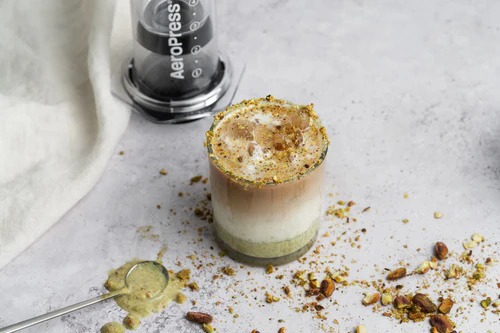
AeroPress Pistachio Honey Iced Latte
Coffee • Pistachio • Milk
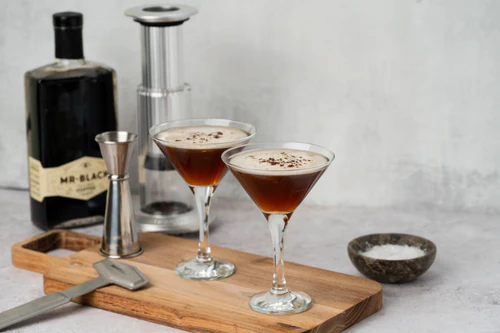
Espresso Martini with Tequila and Salted Caramel
Coffee • Tequila • Caramel
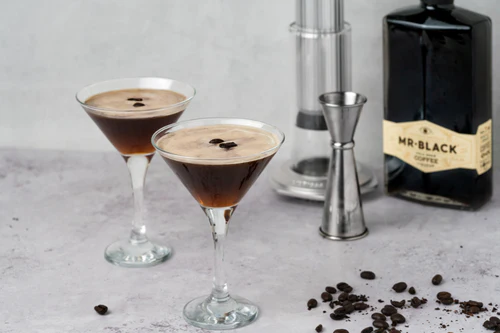
Espresso Martini with Vanilla Recipe
Coffee • Vodka • Vanilla
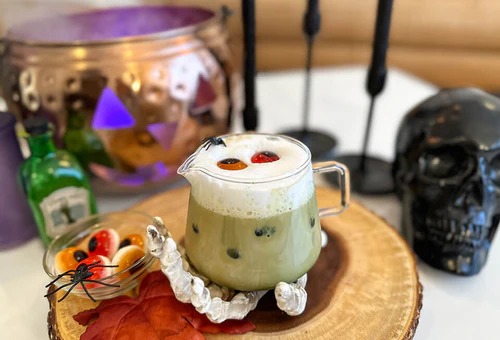
AeroPress Iced Boo-Berry Matcha Latte Recipe
Coffee • Matcha • Milk
Experience Aeroprass


Innovation and Automation in Home Coffee Technology
The evolution of the home coffee preparation machine represents a fascinating convergence of culinary art, chemical science, and sophisticated engineering. What began as a relatively simple process of hot water meeting ground beans has transformed into a highly automated, programmable, and incredibly precise technological endeavor. Modern devices are a testament to the continuous drive for perfection, offering consumers unprecedented control and convenience in their daily brewing ritual. The most significant shift in recent years has been the movement toward greater automation, allowing even the novice brewer to achieve café-quality results consistently.
The heart of this technological leap lies in the mastery of temperature control. The ideal brewing temperature range is narrow, typically falling between $90^circtext{C}$ and $96^circtext{C}$ ($195^circtext{F}$ and $205^circtext{F}$). Temperatures too low result in a weak, under-extracted cup, while temperatures too high can lead to a bitter, over-extracted flavor. Advanced home machines now incorporate sophisticated heating elements and thermal blocks, often powered by PID (Proportional-Integral-Derivative) controllers, to maintain this precise temperature throughout the entire extraction process. This level of thermal stability ensures that the delicate soluble compounds in the coffee grounds are extracted evenly and optimally, leading to a balanced and complex flavor profile that was once achievable only with large, commercial-grade equipment. The precision of these systems eliminates one of the most common variables that plague home brewing, guaranteeing consistency from one cup to the next.
Furthermore, the integration of on-demand grinding capabilities has revolutionized the process. The quality of a cup is fundamentally linked to the freshness of the grind; coffee begins to lose its aromatic volatile compounds rapidly after being processed. Modern integrated devices often feature conical burr grinders, considered superior to blade grinders, which cut the beans unevenly and generate excessive heat. The burr grinder meticulously crushes the beans to a uniform particle size, which is critical for an even extraction. Moreover, these systems are often programmed to dispense the exact dose required for the selected beverage, minimizing waste and ensuring the correct coffee-to-water ratio. This seamless integration of grinding and brewing transforms the preparation from a multi-step chore into a single, fluid interaction with the machine.
The user interface itself has also undergone a significant transformation. Once operated by simple switches and dials, today’s machines feature intuitive touchscreens and programmable memory settings. Users can create and save highly customized profiles, adjusting parameters such as water temperature, pre-infusion time, grind coarseness, and beverage volume. This personalization empowers the user to fine-tune the machine to perfectly suit their preferred bean and taste, transforming the appliance into a bespoke brewing tool. For instance, a user might program a delicate, high-temperature setting for a lightly roasted bean, and a cooler, longer pre-infusion for a darker, bolder roast. The ability to save these individual recipes for instant recall makes the enjoyment of diverse coffee styles effortless and repeatable.
The automation extends even to the creation of specialty beverages. Devices equipped with advanced milk frothing systems can produce microfoam with the perfect texture and temperature for lattes and cappuccinos. These systems often utilize steam wands that automatically purge, or integrated carafes that manage heating and aeration simultaneously. Some high-end models even allow the user to select the foam consistency, moving from a dense, stiff foam to a silky, pourable microfoam with a simple digital selection. This not only elevates the quality of the milk-based drinks but also significantly reduces the time and skill required for preparation.
In essence, these contemporary brewing devices are the culmination of a desire to bring the professional coffee bar experience into the personal kitchen. They manage the most challenging variables—temperature, pressure, and timing—with digital accuracy, leaving the user with the simple, enjoyable task of selecting the beans and the desired drink. They represent an investment not just in a machine, but in the certainty of a superb daily experience. This marriage of mechanical precision and user-friendly design ensures that the ritual of brewing remains a source of pleasure rather than frustration, delivering a consistent, high-quality beverage that energizes and inspires. The continued push for greater efficiency and sensory fidelity ensures that the future of home coffee preparation remains an exciting frontier of kitchen technology.